
ADAS-P Flags Off Pilot Distribution of Day-Old Chicks to Boost Poultry Production in Adamawa
By AbdulAziz Abubakar Damare
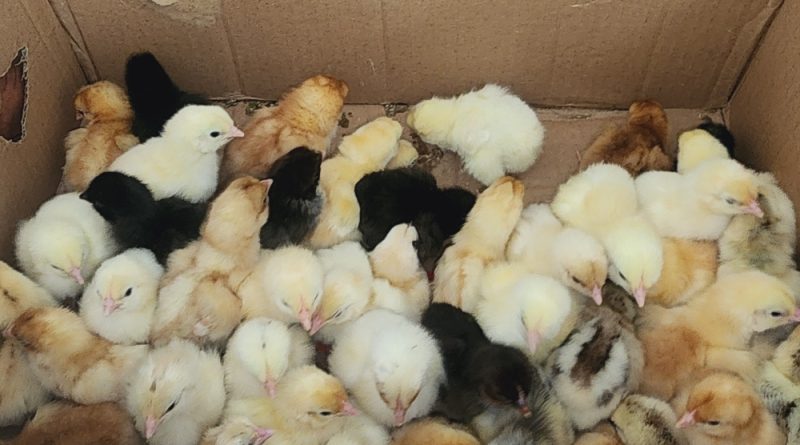
The Adamawa State Agribusiness Support Programme (ADAS-P) has officially flagged off the pilot distribution of day-old chicks hatched by its incubator to selected poultry brooders across the state, as part of efforts to strengthen poultry production, stimulate economic growth, and enhance Internally Generated Revenue (IGR) in Adamawa State.
The initiative followed the remarkable success recorded by the project’s incubator, which has consistently hatched chicken eggs and guinea fowl (locally known as “gigs”) eggs, among others.
The steady output from the facility created the need to expand distribution to local brooders and strengthen the poultry value chain within the state.
Under the pilot arrangement, each beneficiary received 50 day-old chicks along with bags of chicken feed to support the brooding process and ensure healthy growth.
The programme is designed to empower small-scale poultry farmers, create sustainable livelihoods, and align with the agricultural transformation agenda of Ahmadu Umaru Fintiri.
In addition, ADAS-P disclosed that another group of beneficiaries will be supported with capital to serve as offtakers, creating a ready market for poultry products and ensuring smooth distribution channels. This integrated approach is expected to improve productivity, market access, and profitability across the poultry sector.
Some of the beneficiaries, including Sapwa Canavia and Mohammed Ibrahim Jalo expressed satisfaction with the initiative, describing it as timely and impactful.
They commended the state government for prioritizing grassroots economic empowerment and pledged to make effective use of the support provided.
As part of the sustainability framework, 30 percent of proceeds from each sales cycle will be saved for every beneficiary. The accumulated savings will be returned to them at the end of the year as capital to expand their poultry businesses and strengthen self-reliance.
The pilot phase is expected to serve as a foundation for wider implementation across the state, reinforcing Adamawa’s drive toward agricultural productivity, economic resilience, and improved revenue generation.